
So you want to become a VTuber — but you’re not sure where to begin. What gear do you actually need? How much will it cost? What software should you use? And once you’re streaming, how do you turn it into income?
This guide answers all of those questions in one place.
What you’ll learn in this guide:
- The essential equipment and environment for VTuber streaming
- Which microphones, cameras, and motion capture devices to choose
- The best VTuber software and apps for 2D and 3D avatars
- How to create or commission your own VTuber model
- Accessories and peripherals that improve your setup
- How to troubleshoot common streaming problems
- Realistic cost estimates — from $0 to $10,000+
- How to monetize your VTuber channel
Each section links to a detailed, standalone guide if you want to go deeper. Bookmark this page and come back whenever you need it — we keep everything updated for 2026.
目次 閉じる
- 1. Essential Equipment & Environment for VTuber Streaming
- 2. Microphone & Audio Equipment
- 3. Cameras & Motion Capture Devices
- 4. VTuber Software & Apps
- 5. How to Create Your VTuber Model: DIY, Commission & AI
- 6. Streaming Accessories & Peripherals
- 7. Troubleshooting & Emergency Recovery
- 8. Frequently Asked Questions (FAQ)
- 9. Monetization: How VTubers Actually Make Money
- Conclusion: Your VTuber Journey Starts Now
1. Essential Equipment & Environment for VTuber Streaming
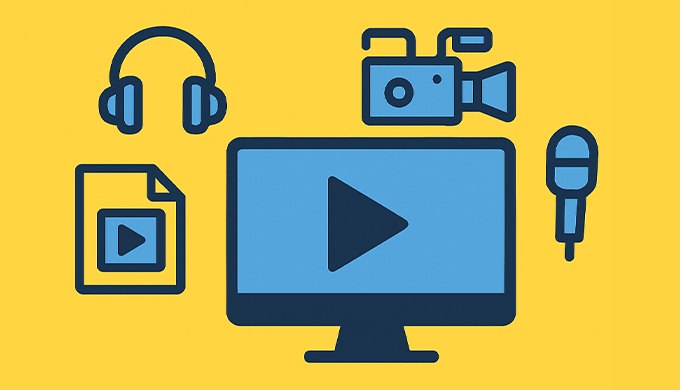
Before you go live, you need six things: a PC (or a capable smartphone), a microphone, a camera or tracking device, headphones, streaming software, and a VTuber model. A stable internet connection ties it all together.
The good news? You don’t have to buy everything at once. Many successful VTubers started with a basic laptop and a USB mic, then upgraded piece by piece as their audience grew. The key is knowing what to prioritize — and where you can safely cut costs without hurting your stream quality.
For a full checklist with specific product recommendations, cost-saving strategies, and setup examples for both budget and high-end builds, check out our dedicated guide:

2. Microphone & Audio Equipment
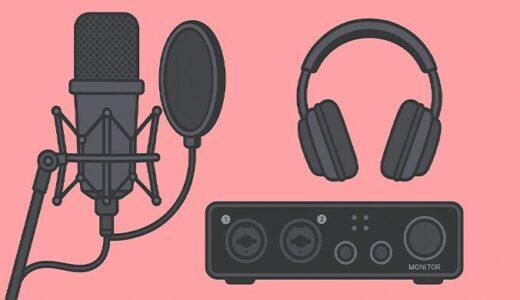
Audio quality can make or break your stream. Viewers will tolerate average visuals, but muddy or echoey sound drives people away fast. Clear voice delivery keeps your audience engaged and makes you sound professional from day one.
A gaming headset works for your first few streams, but if you’re serious about growing, consider upgrading to a USB condenser microphone like the Audio-Technica AT2020 or Blue Yeti. Once you’re ready to level up further, an XLR mic paired with an audio interface (such as the Focusrite Scarlett Solo) gives you studio-grade control over your sound.
Don’t overlook noise reduction either — a boom arm, pop filter, and acoustic treatment can dramatically improve your audio without costing much.
Our full audio guide covers mic comparisons, interface recommendations, noise reduction accessories, and real-world setup examples:
3. Cameras & Motion Capture Devices
Your avatar’s expressiveness depends entirely on how well your movements are captured. A built-in webcam gets the job done for basic face tracking, but dedicated devices unlock a completely different level of immersion.
Here’s a quick overview of your options:
- Webcam (Logitech C920/C922, Elgato Facecam): Affordable, easy to set up. Great for 2D VTubers using VTube Studio.
- iPhone with Face ID (iPhone 12+): Apple’s ARKit provides high-precision face tracking with 52 blend shapes — a huge step up from webcam-only setups. Works with VTube Studio, iFacialMocap, and more.
- Leap Motion Controller: Adds real-time hand tracking to your avatar. Popular among 3D VTubers who want expressive gestures.
- VR Trackers (HTC Vive, SlimeVR): Full-body tracking for 3D models. Essential for dance, performance, or VRChat-style content.
For detailed comparisons, recommended models, and setup walkthroughs, see our camera and motion capture guide:

4. VTuber Software & Apps
Hardware is only half the equation. You also need software to create, rig, and animate your avatar — plus streaming software to broadcast it all. Here’s how the VTuber software pipeline works in 2026:
Tracking & Animation Software
These apps translate your real-world movements into avatar animation in real time:
- VTube Studio — The industry standard for 2D (Live2D) VTubers. Free to use with a small watermark; $14.99 one-time purchase to remove it. Available on PC, Mac, iOS, and Android.
- VSeeFace — A free, highly configurable face-tracking app for 3D (VRM) avatars. Excellent webcam tracking with support for hand tracking via Leap Motion.
- VNyan — A free 3D VTuber app with drag-and-drop node-based customization. Supports webcam, ARKit, Leap Motion, and SteamVR tracking.
- Live3D VTuber Maker — An all-in-one 3D solution with built-in model editing, face tracking, and a Twitch extension. Free tier available; paid plans from $3.90/month.
Avatar Creation Software
- VRoid Studio — Free 3D character creator by Pixiv. Beginner-friendly with extensive customization. Exports VRM files compatible with VSeeFace, VNyan, and more.
- Live2D Cubism — The professional standard for 2D avatar rigging. Free tier available for personal use; Pro license at $10/month or $200 one-time.
Streaming Software
- OBS Studio — Free, open-source, and the most widely used streaming software in the world. Works with Twitch, YouTube, and every major platform.
- Streamlabs Desktop — A beginner-friendly alternative to OBS with built-in widgets, alerts, and themes. Free with optional premium features.
Smartphone VTubing Apps
If you want to stream directly from your phone without a PC:
- REALITY — A free mobile VTubing app with 3D avatar customization and built-in live streaming. Popular in Asia; the English version is available globally.
- Hyper Online — A newer mobile VTuber app that supports VRoid and Live2D model imports. Stream to Twitch, YouTube, or record content directly.
- Avvy — A 2D anime avatar app with high-quality face tracking. Connects to OBS for cross-platform streaming.
5. How to Create Your VTuber Model: DIY, Commission & AI
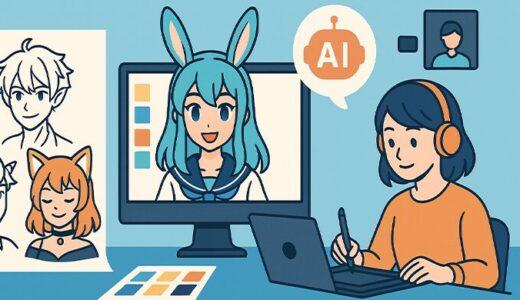
Your avatar is your brand — and how you get it shapes both your budget and your creative freedom. In 2026, you have more options than ever:
Typical VTuber Model Costs in 2026:
- Free: Use VRoid Studio, VRoid Hub pre-made models, or free PNGTuber setups
- $40–$200: Pre-made models on Booth, Gumroad, Etsy, or Fiverr
- $200–$500: Simple custom PNGTuber or basic chibi Live2D model
- $500–$1,500: Entry-level custom Live2D model (art + rigging)
- $1,500–$5,000: Mid-range to professional custom 2D or 3D model
- $5,000–$10,000+: Premium, agency-grade 3D models with full-body tracking
Whether you’re building your own model from scratch, hiring an artist on Fiverr or Etsy, or experimenting with AI avatar tools, our creation guide walks you through the entire process — including how to avoid common pitfalls, a list of recommended outsourcing platforms, and real success stories from indie VTubers.
6. Streaming Accessories & Peripherals
Small upgrades to your physical setup make a surprising difference in stream comfort and quality. A ring light or desk lamp improves face tracking accuracy. A boom arm keeps your microphone positioned perfectly without cluttering your desk. A stream deck lets you switch scenes, trigger sound effects, and control your avatar with a single button press.
These aren’t luxuries — they’re quality-of-life improvements that help you stream longer, more comfortably, and with fewer technical hiccups.
Our accessories guide covers lighting, cable management, cooling solutions, ergonomic setups, and product recommendations at every price point:

7. Troubleshooting & Emergency Recovery
Things will go wrong during a stream — it’s not a matter of if, but when. Your tracking software might crash. OBS could drop frames. Your microphone might suddenly go silent. The question is whether you’re prepared to recover quickly or whether the issue ends your stream.
A solid pre-stream checklist prevents most problems before they happen. For the ones that slip through, knowing the right fix (and staying calm on camera) is a skill worth developing.
Our troubleshooting guide covers pre-stream checks, quick fixes for the most common issues, real VTuber stories about handling live emergencies, and mental strategies for staying composed:

8. Frequently Asked Questions (FAQ)
- Can I start VTubing with just a smartphone?
- Yes. Apps like REALITY, Hyper Online, and Avvy let you create an avatar and stream directly from your phone. For more customization, better tracking, and multi-platform streaming, a PC setup is recommended — but a smartphone is a perfectly valid starting point.
- How much does it cost to start as a VTuber?
- You can start for free using VRoid Studio (avatar), VSeeFace or VTube Studio (tracking), and OBS (streaming) with your existing computer and webcam. Most beginners spend under $500, including a decent USB microphone and a pre-made avatar. Professional setups range from $1,500 to $10,000+.
- Is it possible to be a VTuber without showing my face?
- Absolutely — that’s one of the biggest appeals of VTubing. Your avatar represents you on screen. All tracking is done through your webcam or phone camera, but only the avatar is visible to viewers.
- What’s the best free VTuber software?
- For 2D avatars, VTube Studio (free with watermark) is the standard. For 3D avatars, VSeeFace is the most popular free option. VRoid Studio is the go-to free tool for creating 3D models. OBS Studio handles all your streaming needs at no cost.
- What streaming platform should I use?
- Twitch and YouTube are the two biggest platforms for VTubers. Twitch offers strong community features, raids, and channel points. YouTube provides better discoverability through search and algorithm recommendations. Many VTubers stream on one platform and post highlights or edited videos on the other. TikTok is also growing as a platform for short VTuber content.
- What should I do if I run into equipment or streaming issues?
- Start with your software’s official documentation. VTuber communities on Discord (such as the VTuber Hub and VTube Studio servers) are excellent for troubleshooting. Searching “[software name] + fix” on YouTube or X usually surfaces solutions fast.
9. Monetization: How VTubers Actually Make Money
Wondering how to turn your VTuber hobby into income? The monetization landscape in 2026 offers more paths than ever — from platform-native features to independent revenue streams.
Key revenue channels for VTubers:
- Platform monetization: YouTube AdSense, Twitch subscriptions & bits, TikTok gifts
- Fan support: Patreon, Ko-fi, Throne wishlists
- Merchandise: Custom merch through services like Fourthwall, Streamlabs Merch, or Spring
- Brand deals & sponsorships: As your audience grows, brands in gaming, tech, and lifestyle will approach you
- Commissions & creative work: Many VTubers sell voice packs, ASMR content, or creative services
Our dedicated monetization guide breaks down each revenue stream with real-world case studies, earning benchmarks, common pitfalls, and actionable strategies for both beginners and established creators:

Conclusion: Your VTuber Journey Starts Now
Starting as a VTuber is more accessible than it’s ever been. Free tools like VRoid Studio, VTube Studio, and OBS mean you can go live today with zero budget. From there, upgrade your gear, refine your avatar, and build your community at your own pace.
The most important step isn’t buying the perfect microphone or commissioning a custom model — it’s pressing “Go Live” for the first time.
This guide is continuously updated with the latest tools, tips, and trends. Bookmark it, share it, and come back whenever you need a refresher.
Ready to start? Pick one guide from the list above that matches where you are right now — whether that’s choosing a PC, setting up your first microphone, or figuring out how to monetize — and take your first step today.